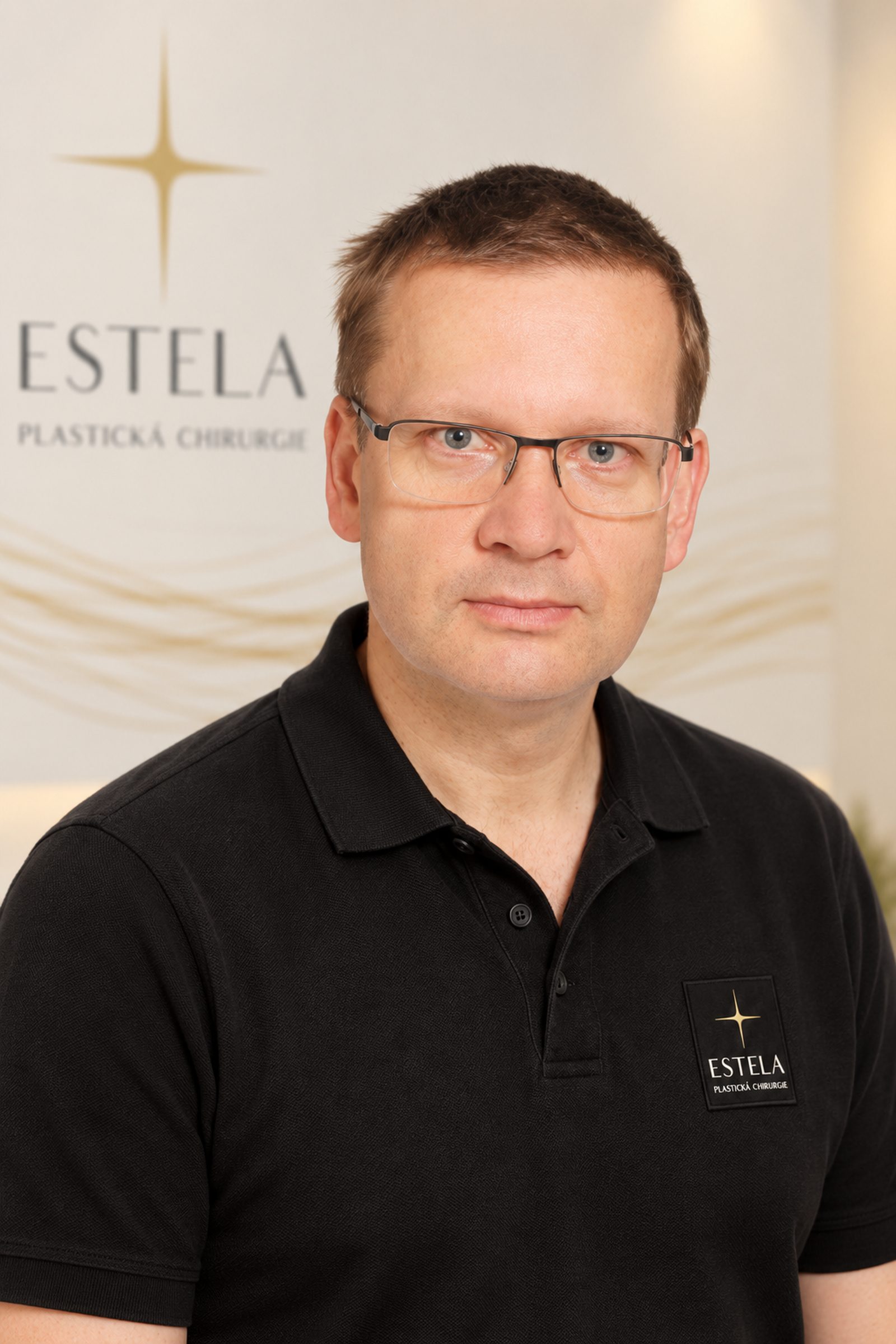
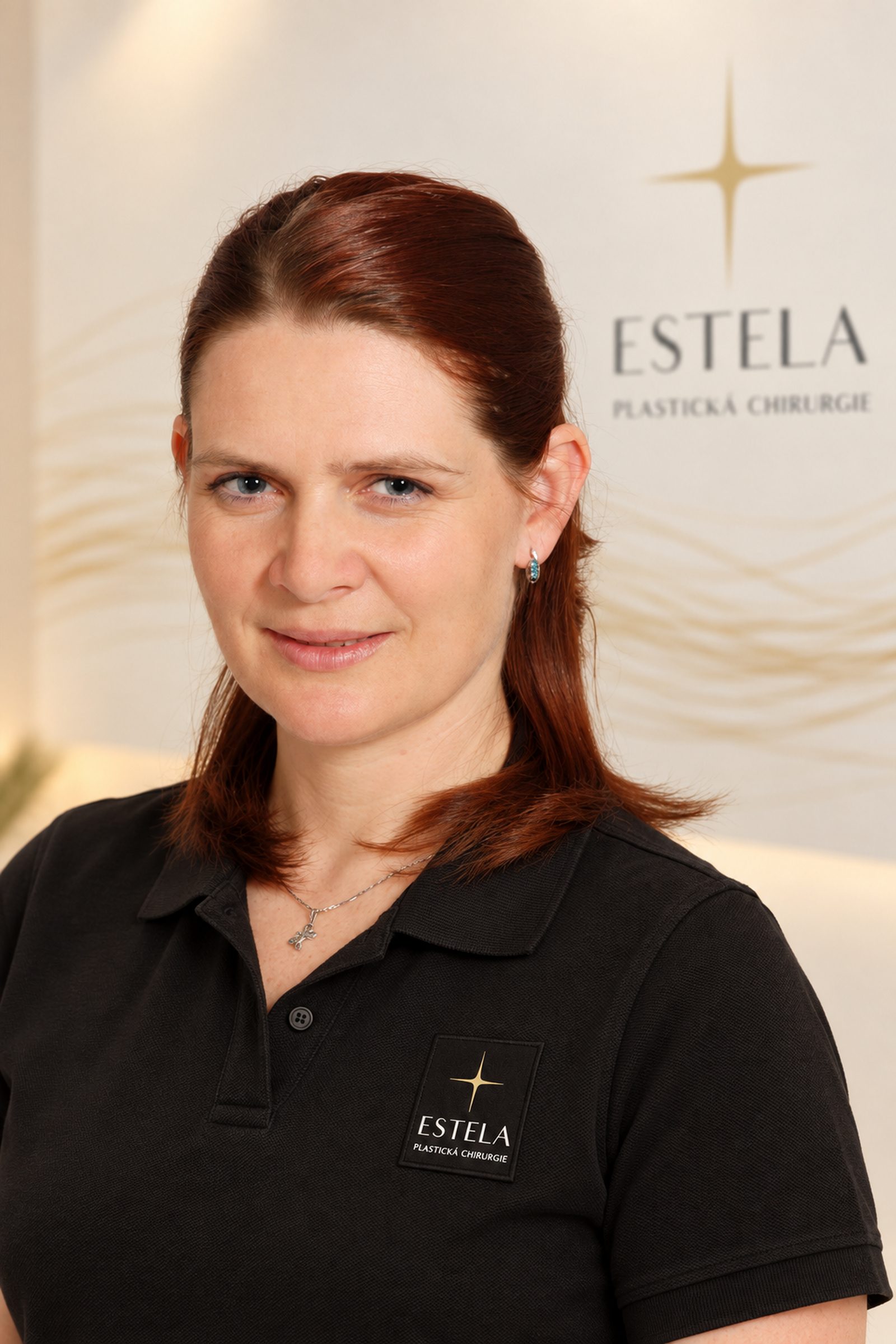
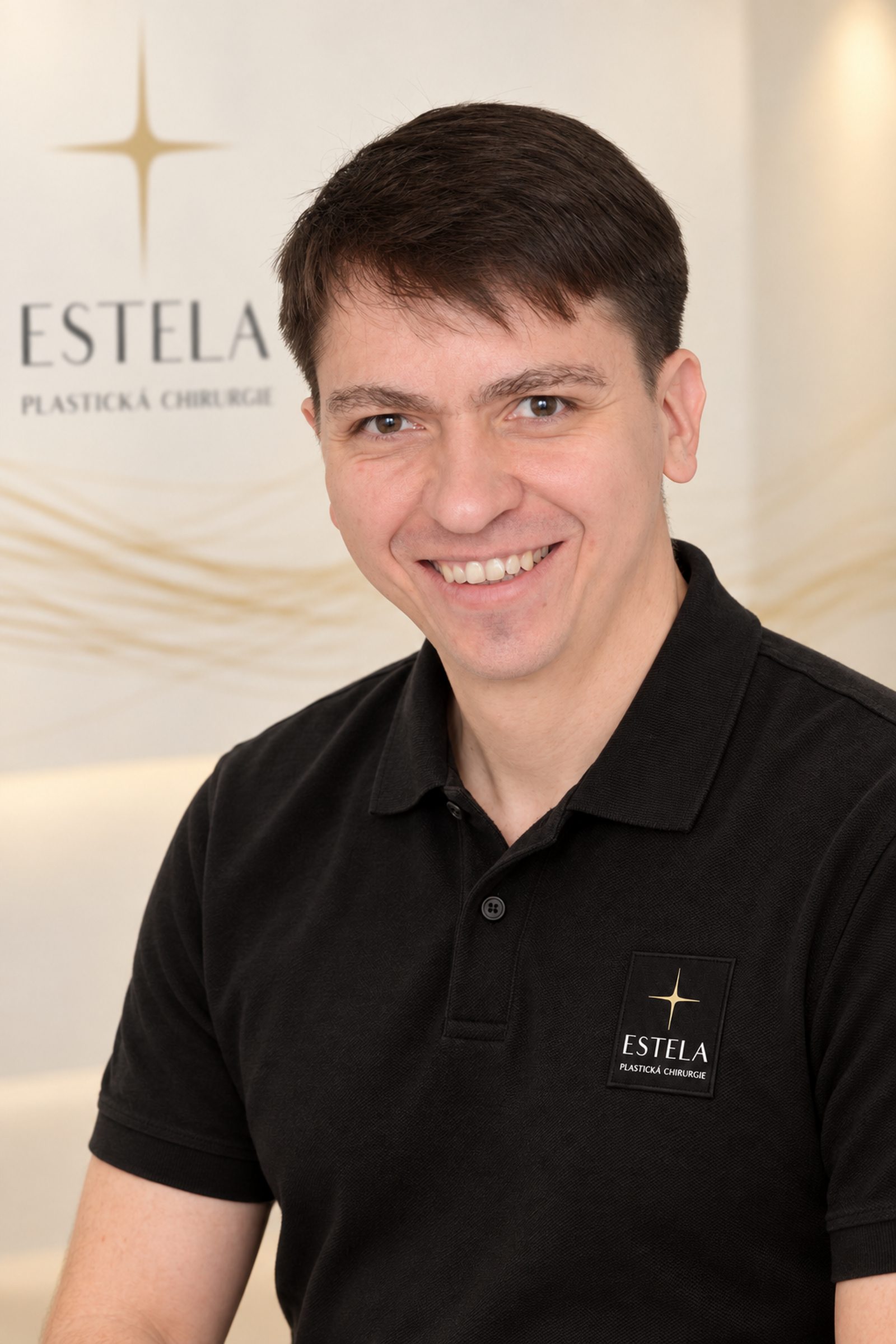
Dr. Novák — a wonderful, kind man. Upper eyelid surgery, superb result, nurse Marika is great. I definitely recommend the clinic, complete satisfaction 👍🙂
Translated from Czech
Procedures
Eyelid surgery — blepharoplasty — removes excess skin from the upper and lower eyelids, together with fat pockets and loosened muscle where needed. It restores a fresh, rested look to the eyes and a younger expression to the whole face.
About the procedure
Eyelid surgery is among the most common aesthetic procedures of the face. It rids you of the older, tired expression caused by the reduced elasticity of the eyelid skin — removing excess skin and, where needed, fat pockets and loosened muscle. With advancing age, this troubles not only many women but many men as well.
The delicate, hard-working skin of the upper eyelids gradually loses its firmness and forms overhanging folds, sometimes with protruding fat — the eyelids feel heavy, the eyes look tired, and larger folds can even restrict vision. The incision is placed so that the scar precisely follows the natural crease of the eyelid and remains barely visible.
On the lower eyelids, the main trouble is protruding fat pads: they press on the circular eyelid muscle, the skin stretches, and wrinkles, creases, and unsightly bags form under the eyes, creating an impression of tiredness. The procedure removes the fat pads, smooths the wrinkles as much as possible, and tightens the eyelid. The incision follows the lash line, so the scar is not visible.
Both operations can be combined into a single procedure — it then takes about an hour and a half. Expect somewhat more swelling and bruising and a slightly longer recovery, though.
Before the procedure
A free, no-obligation consultation with a plastic surgeon comes first. The surgeon assesses the skin of your eyelids and any fat pockets, and tells you honestly whether the time for the procedure has come or whether it is better to wait a little longer. You also discuss the course of the operation, the aftercare regimen, and your expectations.
The procedure
The procedure is performed in an operating theatre under sterile conditions, under local anaesthesia. Operating on both the upper and lower eyelids at once takes about an hour and a half.
The surgeon first precisely marks and measures how much skin can be removed to achieve the best possible result.
A fine needle is then used to numb the marked area with a local anaesthetic. Throughout the procedure you feel no pain, only touch.
The numbing itself tends to be the most unpleasant part of the whole procedure.Using a scalpel, the surgeon removes the marked excess skin and, if needed, the protruding fat and part of the muscle. The scar precisely follows the natural crease of the eyelid.
The fat pads pressing from below are removed together with the excess skin. The incision is placed to follow the lash line — so the scar is not visible.
The small wounds are closed with stitches, which are removed after 7 days. The procedure is performed on an outpatient basis — you go home right afterwards.
We advise against driving after the procedure — please arrange a lift in advance.Aftercare
Day 0
You go home right after the procedure. Rest with your head elevated and take it easy — no exertion, no heavy lifting, no bending forward.
Days 1–3
Cool the eyes for 1–2 days with gel pads or chilled black-tea bags — from the fridge only, never the freezer. For the first three days, give your eyes a rest: we recommend avoiding television and reading.
Days 3–7
The largest swelling usually subsides within three days — light office work is possible from day 3. After a week, most clients return to normal physical activity and to work.
Day 7
You come in for a check-up and to have your stitches removed. From then on, apply a rich cream to the scars and protect them from the sun for 2–3 months.
Day 14
You begin gentle pressure massages of the scars — we show you how when your stitches are removed. From this point you can also start wearing eye make-up.
Weeks 4–8
Mild swelling can persist for 4–8 weeks; once it has settled, you see the final result of the operation. You can return to sports roughly one month after the procedure.
The extent of swelling and bruising is entirely individual. Resting during the first week has a major effect on healing and overall recovery.
After the procedure, the eyes no longer feel heavy — they open up and brighten. The whole face looks younger for it.
Pricing
The price depends on the extent of the procedure — upper or lower eyelids alone, both combined in a single operation, or upper eyelids with a brow lift. Which option is right for you is assessed by the surgeon at a free consultation.
The price includes local anaesthesia, the procedure itself, and follow-up check-ups. A no-obligation consultation beforehand is free.
These prices apply to procedures from 1 January 2027. If your procedure is booked for 2026, the price quoted when you booked still applies.
Full price list of all proceduresPossible complications
The most common complication is infection of the surgical wound — that is, impaired healing — and increased bleeding. After lower eyelid surgery, the supporting structures of the eyelid can rarely loosen, which shows as exposed white of the eye.
Complications can be prevented by following the aftercare regimen and caring for the scars properly. You will also support smooth healing by not smoking for several weeks before and after the procedure, and by making sure you have not had any acute illness in the two weeks before surgery.
To avoid unnecessary bleeding and bruising after the procedure, do not take any preparations that affect blood clotting for about 3 weeks beforehand — medicines containing salicylic acid, Paralen (paracetamol), or enzyme preparations such as Wobenzym.
If you take warfarin or a similar medication, please discuss its use with your prescribing doctor.
Patient reviews
A selection of reviews from Google and Firmy.cz.
Dr. Novák — a wonderful, kind man. Upper eyelid surgery, superb result, nurse Marika is great. I definitely recommend the clinic, complete satisfaction 👍🙂
Translated from Czech
My wife and I both had our upper eyelids done , we are both completely satisfied with the procedure, Dr. Novák and the nurse are perfect, easy-going people, there is no stress and they know how to create a calm atmosphere when talking to the patient, so thank you once again and all the best to you
Translated from Czech
I had my eyelids done in 2017 and it was great. The procedure went without any trouble and the eyelids healed well. Don’t worry and go for it if drooping skin bothers you. It heals in 2 weeks and you have peace for the rest of your life. And the price is reasonable too, I didn’t feel a thing.
Translated from Czech
Eyelid surgery Brno · No obligation, no fee
Take advantage of a free, no-obligation consultation directly with our surgeons. No fee, no commitment — just an honest assessment of whether eyelid surgery is right for you.
Book a consultationQuestions & answers
Contact
Didn't find the answers you were looking for? Want to book a free consultation? Write to us and we'll get back to you right away.
+420 778 277 277Call us directly. You’ll always reach a real person — never voicemail.
We’ll be in touch as soon as possible.
Message could not be sent
Please try again, or contact us directly by phone.
Thank you. We’ll be in touch as soon as possible.